Mortlake High Street carpet cleaning local guide
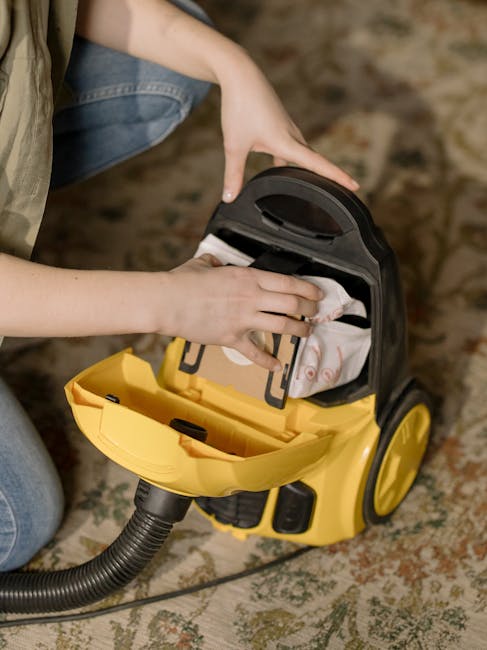
If you live, work, or run a business near Mortlake High Street, carpet care has a way of becoming urgent at exactly the wrong time. A spilled coffee before guests arrive. Mud tracked in after a wet commute. A hallway runner that looks fine until the afternoon light catches every mark. This Mortlake High Street carpet cleaning local guide is here to make the whole process simpler, calmer, and a lot less guessy.
We'll walk through how local carpet cleaning usually works, what to expect, which methods suit which problems, and how to spot the difference between a decent job and a rushed one. You'll also find practical checklists, comparison points, and a few local-minded tips that matter in real homes and shops. Nothing fancy. Just useful.
For readers who want to compare services as they go, it can help to start with the main carpet cleaning service overview, then move through the details that matter to your own carpets, stains, and schedule.
Why Mortlake High Street carpet cleaning local guide Matters
Mortlake High Street has the kind of everyday footfall that quietly wears carpets down. Homes near the street pick up grit, rainwater, pet traffic, and the odd mystery mark. Shops, offices, and shared spaces get all of that plus heavier use, more visitors, and often less time to deal with the mess. That combination matters because carpet damage rarely starts with one big disaster. More often, it is slow build-up. Little by little, the pile flattens, colours fade, and odours linger.
A local guide is useful because not every carpet problem needs the same approach. A wool carpet in a family home is not treated the same way as a synthetic office carpet. A stair runner, a dining room carpet, and a commercial reception area all need different judgement. Truth be told, that is where many people get stuck: they know the carpet looks tired, but they are not sure whether to deep clean, spot treat, or just leave it alone until the weekend.
That's why a practical local guide helps. It gives you the context to make a good decision without overthinking it. If you want to understand the broader service options available, the steam carpet cleaning page is a useful place to see how hot-water extraction fits into typical carpet care.
Key point: The best carpet cleaning choice is rarely the most aggressive one. It is the one that suits the carpet fibre, the level of soil, and how quickly the room needs to be usable again.
How Mortlake High Street carpet cleaning local guide Works
At a practical level, carpet cleaning starts with inspection. A cleaner should look at fibre type, traffic lanes, visible stains, odours, and any risk areas like glued backing, delicate trims, or previous DIY attempts. Then comes the method choice. In many cases, that means hot-water extraction, low-moisture cleaning, targeted stain treatment, or a careful combination of all three.
On a typical visit, a proper workflow might look like this:
- Assess the carpet and identify the fibre, pile, and stain types.
- Move light furniture where agreed and protect surrounding surfaces.
- Vacuum thoroughly to remove dry soil before any moisture is introduced.
- Pre-treat spots, traffic areas, or odour issues.
- Clean using the appropriate method for that carpet.
- Rinse or extract residues where needed.
- Check results, groom the pile if appropriate, and explain drying expectations.
That sounds straightforward, and it usually is. But the small decisions matter. Too much water, wrong chemistry, or overworking a stain can turn a manageable job into a headache. A good local cleaner knows when to slow down. Sometimes that means a little more time spent on pre-treatment, sometimes a second pass on a stubborn lane, and sometimes saying that a stain has faded but won't vanish completely. Honest is better than magical. Every time.
If you are dealing with a mix of surfaces, it may also make sense to consider related services such as upholstery cleaning or rug cleaning so the whole room feels consistently refreshed rather than half-done.
Key Benefits and Practical Advantages
People usually call for carpet cleaning because something looks bad. Fair enough. But the benefits go well beyond appearances.
- Better presentation: Clean carpets make a room feel brighter, more cared for, and less tired.
- Improved comfort underfoot: Embedded grit can make carpets feel coarse. Once removed, they often feel noticeably softer.
- Odour reduction: Spills, pets, damp, and general build-up can create smells that regular vacuuming won't touch.
- Longer usable life: Removing abrasive soil helps reduce wear in high-traffic zones.
- Better guest or customer impression: Especially useful for landlords, shops, offices, and hospitality spaces.
- More manageable upkeep: A well-cleaned carpet is usually easier to maintain between visits.
One practical advantage often overlooked is timing. If you clean before a carpet becomes visibly matted, you may avoid the point where recovery is much harder. Not every carpet can be saved from every mark, but many of them can be kept in far better shape with a sensible routine. You'll notice that in the corners and along the hallway path first - the places people don't always check until later.
For tougher problem areas, the dedicated stain removal page can be useful if you want to understand how targeted treatment differs from a full-room clean.
Who This Is For and When It Makes Sense
This guide is for anyone near Mortlake High Street who needs a carpet to look cleaner, last longer, or smell fresher. That includes homeowners, tenants, landlords, letting agents, small business owners, and office managers. It also applies to people who are planning ahead rather than reacting to a mess. To be fair, that is often the smartest way to do it.
Here are the most common scenarios:
- Households with kids or pets: Spills and muddy paw prints happen. Repeatedly, in some homes.
- Rental properties: End-of-tenancy refreshes can make a place much more presentable.
- Businesses on or near the high street: Reception carpets and waiting areas take constant wear.
- Older carpets: They may not need replacement yet, but they do need careful maintenance.
- After a renovation or decorating project: Dust and fine debris settle into fibres fast.
If you are dealing with a commercial setting, a service such as commercial carpet cleaning may be a better fit than a domestic-style one-off clean. Same basic principle, different priorities: access, disruption, and how quickly the area must be back in use.
Sometimes the question is not "Do I need carpet cleaning?" but "How urgent is it?" If the answer is "pretty urgent," you already know the direction.
Step-by-Step Guidance
Use this simple process to think through a carpet clean without rushing into the wrong method.
1. Identify the problem
Start by asking what you are trying to fix. Is it a visible stain, general dullness, odour, flattening, pet mess, or a mix of all four? A chocolate mark, for example, is a very different job from a wet-dog smell buried in a hallway runner.
2. Check the carpet type
Wool, synthetic blends, natural fibres, and loop pile carpets behave differently. Some can tolerate more moisture; others need a much gentler approach. If you are not sure, that is normal. Better to ask than to guess and regret it later.
3. Choose the right method
Not every job calls for full steam cleaning. Light soil may only need low-moisture treatment. High-traffic family carpets often benefit from deeper extraction. Delicate rugs may need a more specialised approach, which is why rug cleaning exists as a separate service.
4. Prepare the space
Move fragile items, clear clutter, and make sure the cleaner can reach the edges and corners. If there are parking or access concerns around the high street, sort those out early. Small details save time later.
5. Treat spots before the full clean
Good pre-treatment can make a huge difference. It softens oils, lifts residue, and gives the main clean a fair chance. Skipping this step is one of the quickest ways to get an underwhelming result.
6. Review drying time and aftercare
Drying depends on fibre, weather, ventilation, and how much moisture was used. Open windows if the weather allows, avoid heavy foot traffic for as long as advised, and do not pile furniture back too soon. Damp carpet plus furniture feet is a classic little mistake. Annoying, but avoidable.
If the job involves sofas, mattresses, or curtains in the same room, it may be worth sequencing the clean so the whole space is finished in one go. Related options like sofa cleaning, mattress cleaning, and curtain cleaning can be coordinated sensibly rather than handled piecemeal.
Expert Tips for Better Results
Here's where the small stuff pays off.
- Vacuum properly first. Dry soil is abrasive. If it stays in the pile, the clean is fighting uphill from the start.
- Test delicate areas. Spot test in a hidden corner when there is any doubt about colourfastness or fibre sensitivity.
- Treat stains early. Fresh marks are much easier to remove than old, heat-set ones. Coffee left overnight? Not ideal.
- Watch detergent residue. Overuse can leave carpets attracting dirt faster after cleaning. Less can be more.
- Do not rub hard. Blotting is usually safer than scrubbing. Scrubbing can spread the mark and damage the pile.
- Ask about odour sources. Smells often sit deeper than the visible stain. Pet accidents, for example, may need more than a surface clean. The pet stain odour removal service is designed for exactly that kind of issue.
One small but useful observation: rooms with plenty of natural light show carpet improvement more dramatically than you might expect. Sometimes the result feels modest in the hallway and surprisingly crisp by the window. That is normal.
Also, if you are comparing providers, ask whether they explain their process clearly before they arrive. A company that can talk plainly about fibres, drying, and stain limits is usually easier to trust. No grand speeches needed.
Common Mistakes to Avoid
Most carpet disappointment comes from a handful of repeat mistakes. The good news? They are avoidable.
- Choosing the cheapest quote without checking what is included. Price matters, but so does scope.
- Ignoring fibre type. A one-size-fits-all approach is often where trouble starts.
- Using too much water at home. It may seem thorough, but over-wetting can lead to long drying times or wicking stains back up.
- Trying every stain product in the cupboard. Mixing random products can make a stain worse, not better.
- Delaying treatment. The longer a spill sits, the more likely it bonds into the fibre.
- Expecting every mark to disappear completely. Some stains fade dramatically; others remain faintly visible. Honest expectations save frustration.
There's a slightly funny truth in carpet cleaning: people will notice the one mark you almost forgot about before they notice the whole refreshed room. Humans are like that. So it pays to finish properly, especially along skirting edges and entry points.
If you need a broader view of pricing and service expectations before booking, the pricing and quotes page is the most sensible place to compare the practical side of things.
Tools, Resources and Recommendations
You do not need a van full of equipment to make better carpet decisions. A few basics go a long way.
- Quality vacuum cleaner: Regular extraction of dry dust and grit is the first line of defence.
- Microfibre cloths: Helpful for blotting spills before they settle deeper.
- Gentle spot treatment: Use only products suitable for the fibre and stain type.
- Door mats: Very unglamorous, very effective.
- Good ventilation: Helps carpets dry properly after cleaning.
- Furniture sliders or protectors: Useful when furniture is moved back into place.
For people who prefer to leave the technical side to a specialist, it helps to choose a provider that is transparent about safety, insurance, and how they handle customers' homes and businesses. The pages on insurance and safety, health and safety policy, and recycling and sustainability show the kind of standards and values worth looking for. Not flashy, but reassuring.
And yes, it is worth checking the boring bits too: payment and security, terms and conditions, and the company's about us information can tell you a lot about how seriously they take their work.
Law, Compliance, Standards, or Best Practice
For carpet cleaning, the main things that matter are not flashy legal claims but good practice. In the UK, that generally means using suitable products, following manufacturer guidance where available, taking reasonable care around electrical equipment and wet surfaces, and being honest about risks and limitations. If a cleaner is working in a commercial environment, they should also have sensible controls in place for access, slip risk, and occupancy.
From a customer's point of view, the most useful questions are simple:
- Is the work insured?
- Will the process suit my carpet type?
- How will drying be managed?
- What happens if a stain does not fully lift?
- Are there any safety considerations for children, pets, or staff?
Those questions are practical, not paranoid. They help avoid misunderstandings. If something is fragile, antique, or expensive, say so early. That includes wool rugs, older stair carpets, and anything previously treated with home remedies that may have left residue behind.
Where a property has unusual requirements, such as shared entrances, business operating hours, or a need to minimise disruption, clear communication matters just as much as equipment. Sometimes more. A tidy process is good; a tidy process that respects the building and the people in it is better.
Options, Methods, or Comparison Table
If you are deciding how to clean a carpet, the method matters as much as the result you want. Here is a simple comparison to help you choose.
| Method | Best for | Strengths | Watch-outs |
|---|---|---|---|
| Hot-water extraction / steam carpet cleaning | General deep cleaning, traffic lanes, embedded soil | Strong soil removal, good for refreshing tired carpets | Drying time needs planning; not ideal for every delicate fibre |
| Low-moisture cleaning | Light to moderate soiling, faster turnaround | Quicker drying, less disruption | May need more careful spotting on stubborn marks |
| Targeted stain treatment | Specific spills or problem spots | Focused, efficient, can save a room from looking patchy | Not a full replacement for deep cleaning if the whole carpet is dirty |
| Specialist rug care | Rugs with delicate fibres, dyes, or construction | More tailored handling, better for valuable items | Needs the right assessment before treatment |
As a rule of thumb, choose the least aggressive method that can still do the job properly. That keeps the carpet in better condition for longer. If you are unsure, ask for an explanation in plain English, not industry noise. Good providers can do that.
Case Study or Real-World Example
Here is a realistic example from the kind of situation people near Mortlake High Street often face.
A small office with a waiting area had a carpet that looked grey in the footpath from the door to the desks. Not because it was actually grey, but because years of shoes, weather, and daily use had blended in. There was also one dark mark near the entrance where someone had dropped a coffee and done the classic panic-wipe, which only spread it out. You've probably seen that move before.
The sensible approach was not to attack the whole room with the same treatment. First, the high-traffic lane was pre-treated. Then the entry mark was handled separately. After that, the rest of the carpet was cleaned using a method suited to the fibre and the room's schedule. The room was left with proper drying advice, and chairs were put back only when it made sense to do so.
The interesting part was not just that the carpet looked better. The room felt better. Brighter, cleaner, less tired. That matters in a workplace where visitors form an impression in seconds. A similar approach applies in homes too, especially in hallways and living rooms where the eye goes straight to the carpet first.
If the same space also includes fabric seating, combining the job with sofa cleaning or upholstery cleaning can create a much more even overall result. Otherwise one item looks newly done while the rest still looks a bit weary. Bit of a visual mismatch, really.
Practical Checklist
Use this checklist before booking or during preparation. It saves time and avoids the usual last-minute scramble.
- Identify the main problem: stain, odour, traffic wear, or general dullness.
- Check whether the carpet is wool, synthetic, blended, or delicate.
- Take photos of any specific marks before treatment.
- Move small items and clear access to the carpeted areas.
- Ask how long drying is likely to take.
- Confirm whether stain treatment is included or separate.
- Ask about furniture moving and what needs to be done before arrival.
- Make sure children and pets can stay away from the cleaned area until dry.
- Keep windows or ventilation options in mind if the weather allows.
- Review aftercare advice before the cleaner leaves, not after they've gone.
That last one sounds obvious. It is. Still worth saying.
Conclusion
A good Mortlake High Street carpet cleaning local guide should help you make calmer, better decisions about your home or business. The main idea is simple: match the method to the carpet, treat stains intelligently, and do not ignore the small signs of wear until they turn into bigger problems. Local cleaning is less about hype and more about fit.
If you take one thing from this guide, let it be this: the best results usually come from sensible preparation, honest expectations, and a method chosen for the carpet in front of you, not the one in a generic advert. That approach saves money, avoids stress, and keeps your rooms feeling cared for. Which, at the end of the day, is what most people actually want.
Get a free quote today and see how much you can save.
And if you are still on the fence, that is fine too. A quick, well-informed decision beats a rushed one. Your carpets will thank you quietly, which, to be fair, is about as much gratitude as carpets ever give.
Frequently Asked Questions
How often should carpets near Mortlake High Street be professionally cleaned?
It depends on foot traffic, pets, children, and whether the carpet is in a home or business. High-use areas often need attention more regularly than a spare room. If the carpet looks dull, feels gritty, or starts holding odours, that is usually a sign it is due.
Is steam carpet cleaning safe for all carpet types?
Not always. Hot-water extraction is widely used, but some delicate fibres, backings, or older carpets need a gentler method. A proper assessment should happen first, especially for wool or anything previously treated with DIY products.
Will carpet cleaning remove every stain?
No reputable cleaner should promise that. Some stains come out fully, some fade significantly, and some leave a shadow, especially if they have been left for a long time or have reacted with previous cleaning attempts. Honest expectations are better than false certainty.
How long does carpet cleaning usually take to dry?
Drying time varies depending on the method used, ventilation, carpet thickness, and weather. Some carpets dry quite quickly; others need longer. Good airflow helps, and furniture should usually stay off the carpet until it is properly dry.
Can I walk on the carpet straight after cleaning?
Usually not immediately, or at least not without care. Light traffic may be allowed sooner in some cases, but it is best to follow the cleaner's advice. Wearing clean socks and keeping people off heavily damp areas is a sensible precaution.
What should I do before the cleaner arrives?
Clear small items, move fragile objects, and make sure access is easy. It also helps to identify any problem spots you want treated first. If you have pets or young children, plan for them to stay out of the area during and after the clean.
Is carpet cleaning worth it for older carpets?
Often, yes. An older carpet may not look brand new, but cleaning can improve appearance, remove odours, and extend its useful life. Sometimes that buys you a lot of extra time before replacement becomes necessary.
What is the difference between rug cleaning and carpet cleaning?
Rugs are often smaller, more portable, and sometimes made with more delicate fibres or dyes. That means they can need a more tailored process than wall-to-wall carpet. If you have a rug in the same room, it is worth treating it as its own item, not just "the small carpet."
Can carpet cleaning help with pet smells?
Yes, especially if the smell is coming from surface contamination or a recent accident. Deep-set pet odours can be harder, though, and may need targeted treatment. It's best not to keep masking the smell with sprays. That only buys you a little time.
Should I choose the cheapest quote?
Not on price alone. Compare what is included, how the method is explained, and whether the provider seems careful about fibre type, safety, and drying. The cheapest option can be fine, but only if it is also the right one for your carpet.
Do commercial carpets need different care from home carpets?
Usually, yes. Commercial spaces often have higher traffic, tighter timing, and more people moving through the area. That changes the method, scheduling, and aftercare. A domestic-style clean can work in some small offices, but not always.
What is the best next step if I am unsure what my carpet needs?
Start by identifying the main issue, then compare it with the service that best fits it. If needed, review the carpet cleaning, stain removal, and steam cleaning options to see which approach sounds closest to your situation. A little clarity up front saves a lot of fuss later.